
01
Configure
Create business units, branches, users, roles, departments, accounts, warehouses, and approval rules before daily activity begins.
SondoERP is structured so teams understand where work begins, who approves it, how it is completed, and where it appears in reporting.
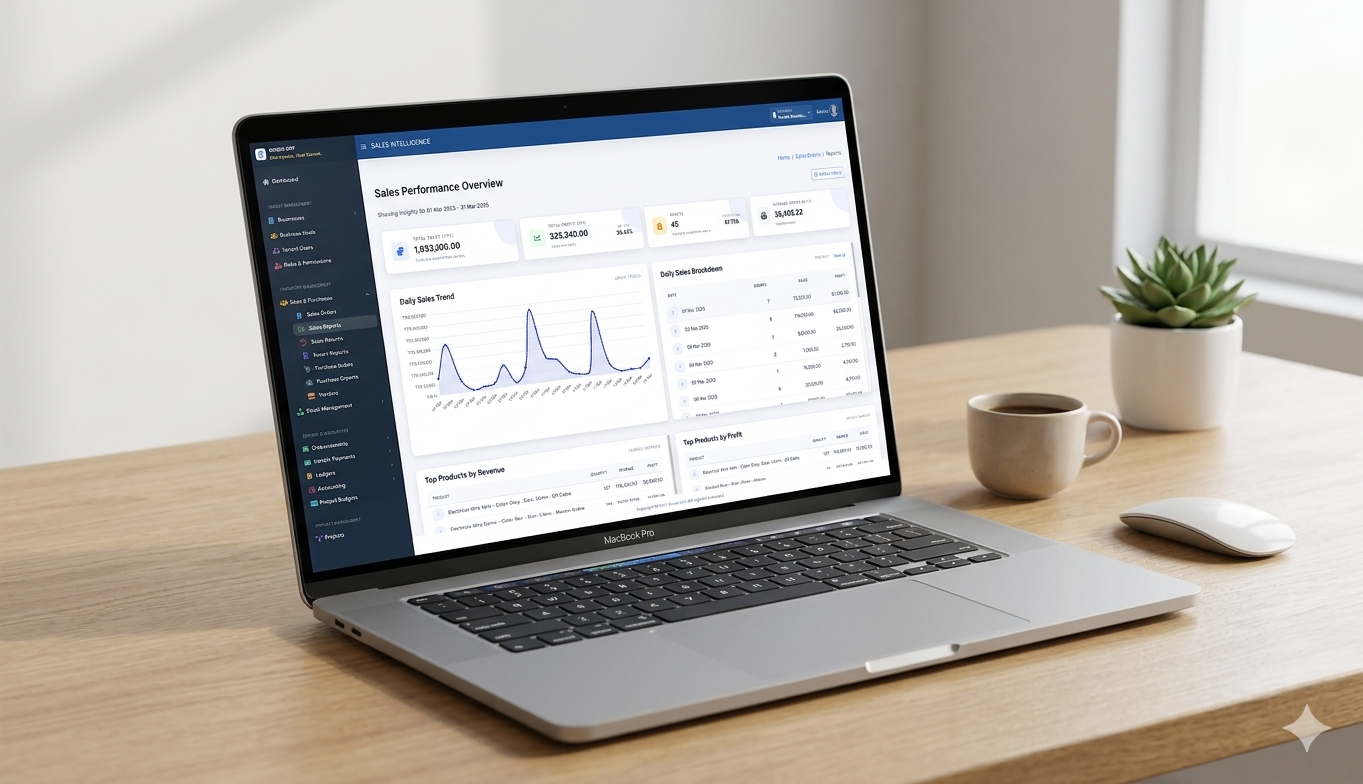
The platform follows a practical operating sequence that turns daily work into clean, reportable business records.
Create business units, branches, users, roles, departments, accounts, warehouses, and approval rules before daily activity begins.
Teams submit expenses, transactions, stock movements, project activity, customer records, workflow requests, and supporting attachments.
Requests move through the right reviewers with clear statuses, comments, maker-checker controls, and searchable decision history.
Approved work continues into fulfillment, posting, dispatch, reconciliation, payment, procurement, or project execution.
Dashboards, exports, audit trails, and analytics help leadership track performance and remove bottlenecks.
Good ERP adoption depends on clear roles, clean setup, and a practical rollout path. The system becomes more useful when teams know exactly how work should move.
Approvals, stock movements, expenses, payments, projects, and reports become easier to manage when every step is captured in a consistent system.